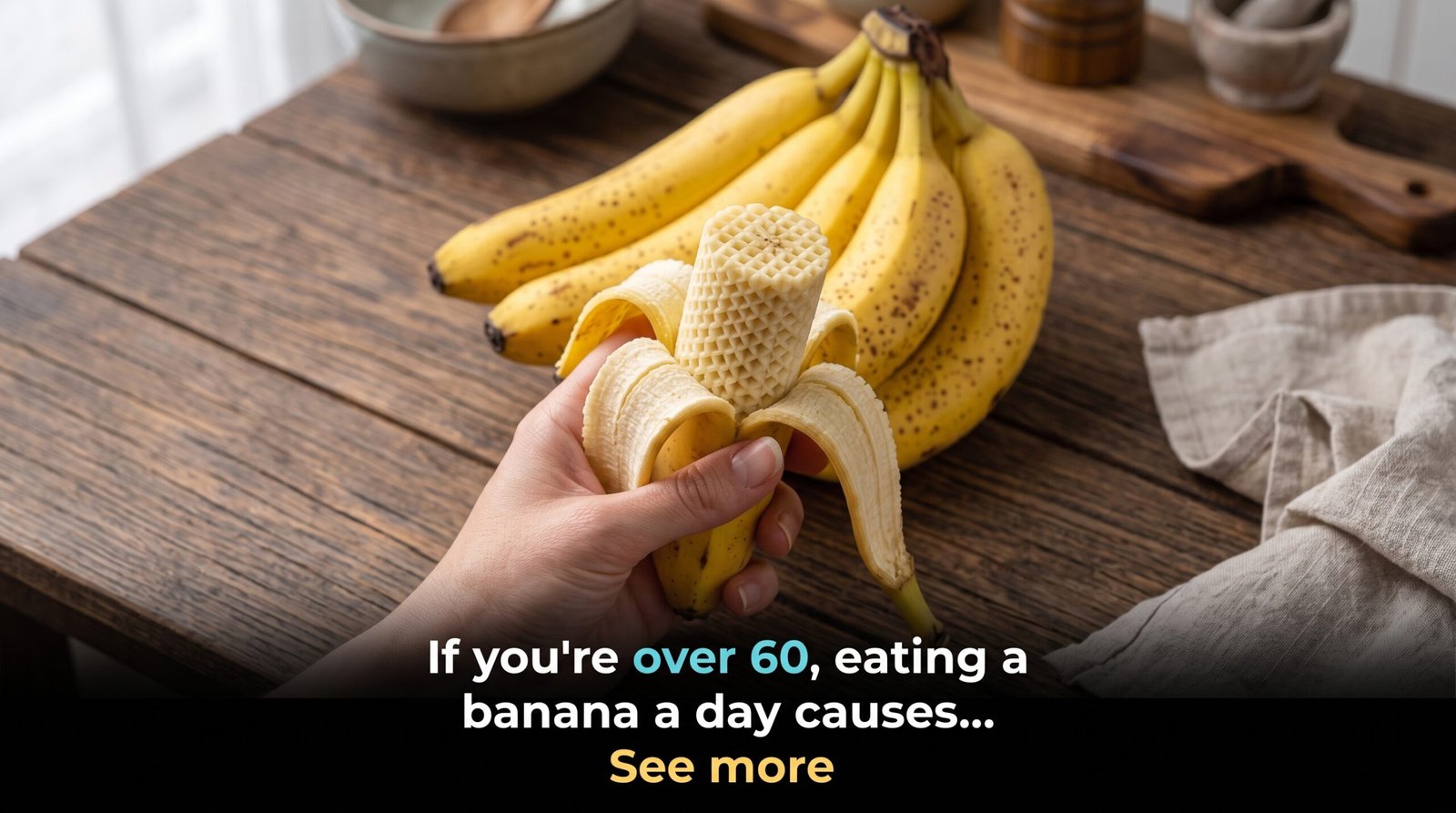
Bananas are among the most popular fruits worldwide — soft, sweet, and packed with nutrients. But for people over 60, eating one banana a day can have surprising effects, both positive and cautionary. While the internet often exaggerates claims like “bananas reverse aging” or “bananas cause hidden health risks,” the reality lies somewhere in between. Let’s explore the full picture in detail — the science, the benefits, and the potential concerns — in a comprehensive 1000‑word explanation.
🌿 1. Nutritional Powerhouse
A medium banana contains roughly:
- Calories: 105
- Carbohydrates: 27 g
- Fiber: 3 g
- Protein: 1 g
- Potassium: 422 mg
- Vitamin C: 10 mg
- Vitamin B6: 0.4 mg
- Magnesium: 32 mg
These nutrients make bananas a compact source of energy and essential minerals. For older adults, whose metabolism slows and appetite may decline, bananas provide quick nourishment without heavy digestion.
💪 2. Heart Health and Blood Pressure
One of the most important benefits for people over 60 is potassium balance. Potassium helps regulate blood pressure by counteracting sodium’s effects. High sodium intake stiffens arteries and raises pressure, but potassium relaxes vessel walls and promotes fluid balance.
Studies show that diets rich in potassium can reduce the risk of stroke and heart disease. A single banana provides about 10 % of the daily recommended potassium intake, making it a simple way to support cardiovascular health.
However, individuals taking medications such as ACE inhibitors or potassium‑sparing diuretics should consult their doctor before increasing potassium intake, as excessive levels may cause hyperkalemia — a condition where potassium builds up in the blood.
🧠 3. Brain Function and Mood
Bananas contain tryptophan, an amino acid that the body converts into serotonin — the “feel‑good” neurotransmitter. Serotonin helps regulate mood, sleep, and memory.
For older adults, maintaining serotonin levels can be crucial in preventing mild depression or anxiety, which sometimes accompany aging. The vitamin B6 in bananas also supports neurotransmitter synthesis, helping the brain stay sharp and emotionally balanced.
Eating one banana daily may therefore contribute to a calmer mood and better sleep quality, especially when paired with a balanced diet and regular physical activity.
🦴 4. Bone Strength and Muscle Function
As we age, bone density naturally decreases. Bananas contain magnesium and potassium, both of which help preserve bone health. Potassium reduces calcium loss through urine, while magnesium aids in calcium absorption.
Additionally, the carbohydrates in bananas provide quick energy for muscles, making them an excellent pre‑ or post‑exercise snack for seniors who engage in walking, yoga, or light workouts.
💩 5. Digestive Health
Bananas are rich in dietary fiber, particularly soluble fiber called pectin. This helps regulate bowel movements and prevent constipation — a common issue among older adults.
They also contain prebiotics, compounds that feed beneficial gut bacteria. A healthy gut microbiome supports immunity, nutrient absorption, and even mental health.
For those with sensitive digestion, ripe bananas are gentle and soothing. They can help manage acid reflux and gastritis by coating the stomach lining.
⚡ 6. Energy and Blood Sugar Balance
Bananas provide natural sugars — glucose, fructose, and sucrose — along with fiber that slows absorption. This combination offers sustained energy without sharp spikes in blood sugar.
For people over 60, maintaining stable blood sugar is vital to prevent fatigue and reduce the risk of type 2 diabetes.
However, moderation matters. Eating multiple bananas daily may raise carbohydrate intake too high for those managing diabetes. One banana a day is generally safe, but pairing it with protein (like yogurt or nuts) helps balance glucose levels.
🧬 7. Immune Support and Cellular Repair
Bananas contain vitamin C and antioxidants that combat oxidative stress — the gradual cellular damage caused by free radicals. Oxidative stress accelerates aging and contributes to chronic diseases.
Regular banana consumption can help strengthen immunity, support wound healing, and maintain skin elasticity. The antioxidants lutein and dopamine found in bananas also protect cells from inflammation.
🩸 8. Kidney Health
Potassium plays a dual role in kidney health. In healthy individuals, it helps the kidneys filter waste efficiently. But for those with chronic kidney disease, excess potassium can be harmful.
If kidney function is impaired, potassium may accumulate, leading to irregular heart rhythms. Therefore, seniors with kidney issues should monitor their potassium intake carefully and consult a healthcare professional before making dietary changes.
🧓 9. Unexpected Effects — The “Surprise” Factor
The phrase “something most people don’t expect” often refers to the combined impact of potassium and fiber on aging bodies. Here are a few lesser‑known outcomes:
- Improved muscle recovery: Bananas replenish electrolytes lost through perspiration, reducing cramps and fatigue.
- Enhanced sleep quality: The magnesium and tryptophan content promote relaxation and melatonin production.
- Reduced swelling and inflammation: Potassium helps flush excess sodium, easing joint stiffness.
- Better skin tone: Vitamin C supports collagen synthesis, keeping skin supple.
- Natural mood elevation: Regular intake may subtly lift mood through serotonin regulation.
These effects are not miraculous but cumulative — small daily benefits that add up over time.
⚠️ 10. Possible Downsides
While bananas are healthy, they’re not perfect for everyone. Overconsumption can lead to:
- Weight gain: Each banana adds ~100 calories; eating several daily without adjusting other foods may increase calorie intake.
- High potassium levels: Dangerous for those with kidney or heart conditions.
- Tooth decay: Natural sugars can affect dental health if oral hygiene is neglected.
- Digestive discomfort: Unripe bananas contain resistant starch, which may cause bloating in sensitive individuals.
Balance is key — one banana a day is beneficial, but variety in fruit intake ensures broader nutrient coverage.
🍽️ 11. Best Ways to Eat Bananas After 60
- Morning energy boost: Combine with oatmeal or yogurt for sustained energy.
- Post‑walk snack: Pair with peanut butter for protein and healthy fats.
- Smoothie: Blend with spinach, milk, and flaxseed for a nutrient‑dense drink.
- Dessert alternative: Freeze slices and blend for a creamy, sugar‑free treat.
Avoid eating bananas too close to bedtime if you experience acid reflux, as their natural sugars may cause mild discomfort.
🧠 12. The Psychological Connection
Food affects not only the body but also the mind. For many older adults, bananas evoke nostalgia — a simple fruit from childhood, easy to peel and comforting in flavor. This emotional connection can enhance appetite and mood, especially for those living alone or coping with loss.
Eating familiar foods like bananas can trigger positive memories and a sense of continuity, reinforcing emotional well‑being.
🌞 13. The Bottom Line
Eating one banana a day after 60 is generally beneficial, offering steady energy, heart protection, digestive support, and emotional comfort. The “unexpected” effect is not a miracle cure but a gentle transformation — improved vitality, better mood, and smoother aging.
However, moderation and medical awareness remain essential. Seniors with kidney disease, diabetes, or heart conditions should tailor their intake under professional guidance.
In essence, the banana is a symbol of balance — simple, nourishing, and quietly powerful. It reminds us that health after 60 doesn’t require complexity; sometimes, one humble fruit can make a meaningful difference.