Could These Everyday Aromatic Leaves Be Good for Your Eyes?
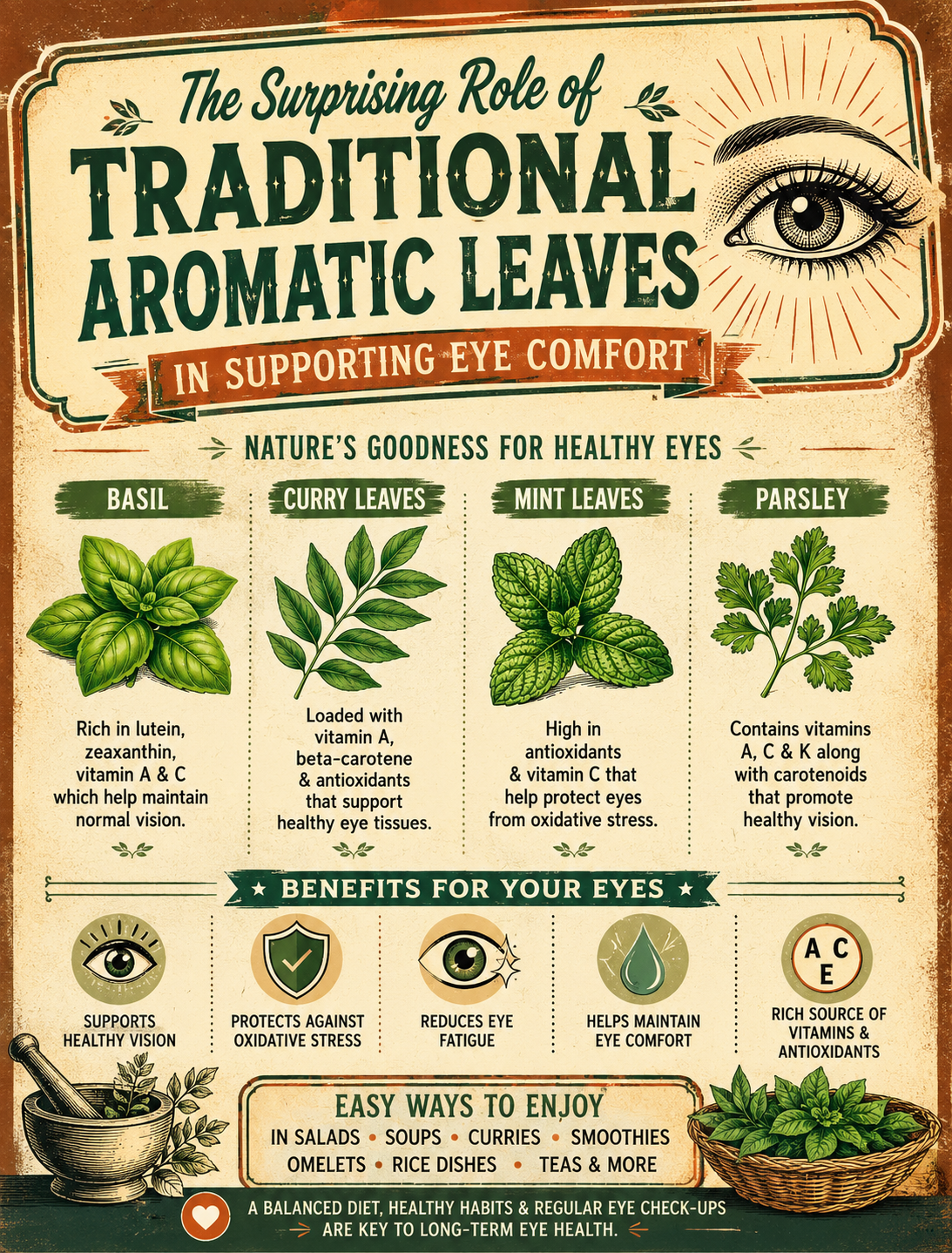
The Surprising Role of Traditional Aromatic Leaves in Supporting Eye Comfort:
Have you ever wondered if the fragrant leaves commonly used in cooking could offer more than just flavor? For generations, many cultures have relied on aromatic herbs and leaves as part of their traditional wellness practices. While these leaves are not a cure or treatment for eye conditions, some contain natural plant compounds that may help support overall health, including the health of your eyes.
Let’s explore how these traditional aromatic leaves can fit into a healthy lifestyle and what science says about their potential benefits.
Why Eye Health Matters
Your eyes work constantly throughout the day. Long hours of screen time, exposure to sunlight, aging, dry environments, lack of sleep, and poor nutrition can all contribute to tired or uncomfortable eyes.
Supporting eye health involves several healthy habits, including:
- Eating a balanced diet rich in vitamins and antioxidants
- Staying hydrated
- Wearing UV-protective sunglasses outdoors
- Taking regular breaks from digital screens
- Getting enough quality sleep
- Having routine eye examinations
Some traditional herbs may also complement these healthy habits.
Traditional Aromatic Leaves Often Linked to Wellness
Several aromatic leaves have been valued for centuries in traditional cooking and herbal practices, including:
🌿 Basil
Fresh basil contains antioxidants such as lutein, zeaxanthin, vitamin A, and vitamin C. Lutein and zeaxanthin are nutrients naturally found in the eye and are associated with maintaining normal vision as part of a healthy diet.
🌿 Curry Leaves
Curry leaves provide vitamin A, beta-carotene, vitamin C, and plant antioxidants. Vitamin A contributes to the maintenance of normal vision and supports healthy eye tissues.
🌿 Mint Leaves
Mint is rich in antioxidants and vitamin C. Although it is not specifically an eye remedy, its antioxidant content may help support overall wellness.
🌿 Parsley
Parsley contains vitamins A, C, and K, along with carotenoids that contribute to a nutritious diet supporting healthy vision.
How Antioxidants Support Eye Health
Our eyes are exposed to oxidative stress every day from sunlight, pollution, and normal aging.
Antioxidants help neutralize unstable molecules called free radicals that may contribute to cellular damage over time.
Important eye-supporting nutrients include:
- Vitamin A
- Vitamin C
- Vitamin E
- Lutein
- Zeaxanthin
- Beta-carotene
Traditional aromatic leaves can contribute small amounts of these nutrients when included regularly in balanced meals.
Easy Ways to Enjoy Aromatic Leaves
Instead of thinking of them as medicine, consider them nutritious additions to everyday meals.
Try adding fresh leaves to:
🥗 Salads
🍲 Soups
🍛 Curries
🥪 Sandwiches
🍳 Omelets
🥤 Smoothies
🍚 Rice dishes
🍝 Pasta
Fresh herbs also add flavor naturally, helping reduce the need for excess salt.
Healthy Habits That Make the Biggest Difference
While herbs are nutritious, the greatest benefits for your eyes come from your daily routine.
Remember to:
✔ Follow the 20-20-20 rule during screen use (every 20 minutes, look at something about 20 feet away for 20 seconds)
✔ Eat colorful fruits and vegetables
✔ Include healthy fats like olive oil, nuts, and fish
✔ Stay physically active
✔ Drink enough water
✔ Avoid smoking
✔ Get regular eye checkups
Important Reminder
Traditional aromatic leaves are foods—not medications.
They should not replace professional medical care or prescribed treatment for eye diseases such as glaucoma, cataracts, diabetic eye disease, infections, or macular degeneration.
If you experience symptoms like:
- Sudden vision loss
- Severe eye pain
- Persistent redness
- Flashing lights
- Eye injury
seek prompt evaluation from an eye care professional.
Final Thoughts
Traditional aromatic leaves are a flavorful, nutritious addition to a healthy diet. Their vitamins, antioxidants, and beneficial plant compounds may help support overall wellness, including the maintenance of normal eye health as part of a balanced lifestyle.
While no single food can guarantee perfect vision, combining nutritious meals with healthy daily habits gives your eyes the best support for years to come.
Healthy eyes begin with healthy choices—one meal, one habit, and one day at a time.