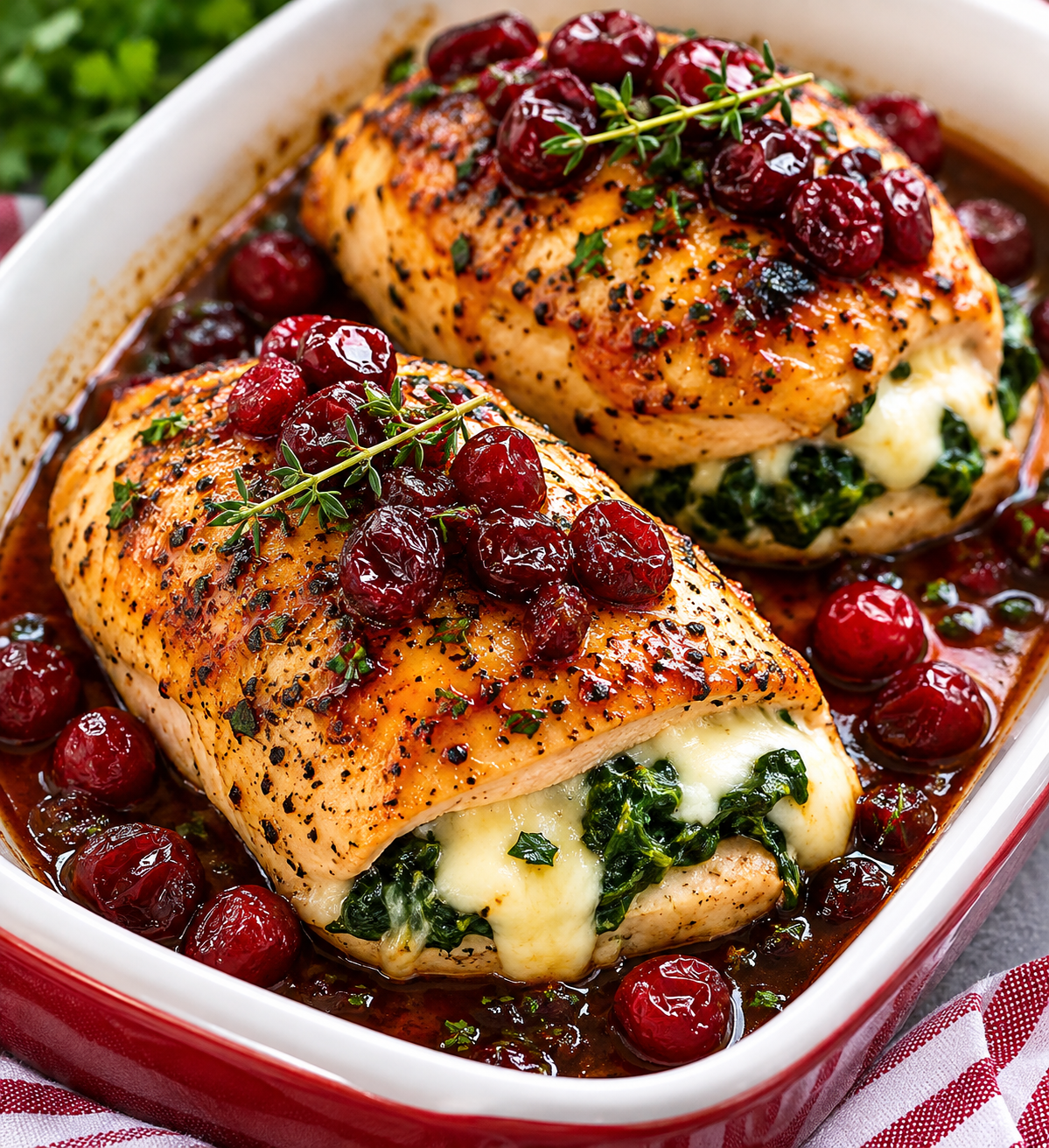
Authentic Greek Spanakopita – Spinach and Feta Pie
Description
Greek Spanakopita is a traditional Greek savory pie featuring crispy, golden phyllo pastry filled with tender spinach, creamy feta cheese, fresh herbs, and extra virgin olive oil. This Mediterranean favorite combines delicate, flaky layers with a rich, flavorful filling, making it perfect for lunch, dinner, brunch, or special gatherings.
What makes Greek Spanakopita especially delicious is its contrast of textures. The pastry becomes beautifully crisp during baking, while the spinach and feta filling remains soft, moist, and savory. Fresh dill, parsley, and green onions bring wonderful Mediterranean flavors to every bite.
Although Greek Spanakopita looks impressive, it requires only simple ingredients and straightforward preparation. Properly draining the spinach and carefully layering the phyllo are the secrets to achieving excellent homemade results.
Whether you’re planning a Mediterranean dinner, preparing appetizers for guests, or looking for a satisfying vegetarian dish, Greek Spanakopita is a wonderful choice.
Prep Time: 30 minutes
Cook Time: 50 minutes
Total Time: 80 minutes
Servings: 8
Ingredients
For the Spinach and Feta Filling
-
20 ounces frozen chopped spinach, thawed
-
12 ounces feta cheese, crumbled
-
1 medium yellow onion, finely chopped
-
4 green onions, thinly sliced
-
3 garlic cloves, minced
-
2 tablespoons extra virgin olive oil
-
2 large eggs, lightly beaten
-
¼ cup fresh dill, chopped
-
¼ cup fresh parsley, chopped
-
1 tablespoon fresh mint, optional
-
1 tablespoon fresh lemon juice
-
½ teaspoon freshly ground black pepper
-
¼ teaspoon ground nutmeg, optional
-
Salt to taste
For the Phyllo Pastry
-
1 pound phyllo pastry sheets, thawed
-
½ cup extra virgin olive oil
-
2 tablespoons melted unsalted butter, optional
-
1 teaspoon sesame seeds, optional
For Serving
-
Fresh lemon wedges
-
Greek yogurt
-
Homemade tzatziki sauce
-
Cucumber and tomato salad
-
Fresh parsley
Instructions
Step 1: Prepare the Spinach
Thaw the frozen spinach completely.
Transfer it to a clean kitchen towel and squeeze firmly to remove excess water. Repeat until the spinach feels relatively dry.
Removing moisture is essential because wet spinach can make Greek Spanakopita soggy and prevent the phyllo pastry from becoming crispy.
Step 2: Sauté the Onion
Heat two tablespoons of olive oil in a large skillet over medium heat.
Add the chopped yellow onion and cook for approximately 4–5 minutes until softened and translucent.
Stir occasionally to prevent burning.
Step 3: Add Garlic and Green Onions
Add the minced garlic and sliced green onions to the skillet.
Cook for another 1–2 minutes until fragrant.
Remove from the heat and allow the mixture to cool slightly before combining it with the other filling ingredients.
Step 4: Combine the Filling
Place the drained spinach in a large mixing bowl.
Add the sautéed onion mixture, crumbled feta, fresh dill, parsley, optional mint, lemon juice, black pepper, and nutmeg.
Mix until evenly combined.
Fresh herbs give Greek Spanakopita its distinctive Mediterranean aroma and balanced savory flavor.
Step 5: Add the Eggs
Taste the filling and adjust the seasoning before adding the eggs.
Remember that feta cheese is naturally salty, so additional salt may not be necessary.
Once the filling has cooled, stir in the lightly beaten eggs.
The eggs help bind the spinach and cheese during baking.
Step 6: Prepare the Baking Dish
Preheat your oven to 375°F (190°C).
Lightly grease a 9 × 13-inch baking dish with olive oil.
Combine the remaining olive oil with melted butter if using.
Keep this mixture nearby because it will be brushed between the pastry layers.
Step 7: Prepare the Phyllo Pastry
Carefully unroll the thawed phyllo sheets onto a clean work surface.
Cover unused sheets with a barely damp kitchen towel to prevent drying.
Phyllo is delicate, but small tears are not a problem.
Working carefully helps Greek Spanakopita develop beautifully separated, flaky layers.
Step 8: Layer the Bottom Pastry
Place one phyllo sheet in the baking dish, allowing any excess pastry to extend over the edges.
Brush lightly with olive oil.
Continue adding approximately half the phyllo sheets, brushing each layer before adding another.
Avoid using too much oil because the pastry should remain light and crisp.
Step 9: Add the Spinach Filling
Spoon the prepared spinach and feta mixture over the bottom pastry layers.
Spread evenly using a spatula.
Avoid pressing down too firmly because compacting the filling can create a dense texture.
The filling should reach the corners of the baking dish.
Step 10: Add the Top Layers
Place the remaining phyllo sheets over the filling.
Brush each sheet lightly with olive oil before adding the next.
Fold the overhanging pastry inward and brush the surface with the remaining oil.
This layering technique gives Greek Spanakopita its signature crispy, golden exterior.
Step 11: Score the Pastry
Using a sharp knife, gently score the top pastry layers into squares or diamond-shaped portions.
Avoid cutting completely through the filling.
Scoring helps prevent excessive cracking when slicing the finished pie.
Sprinkle sesame seeds over the top if desired.
Step 12: Bake Until Golden
Place the baking dish on the middle oven rack.
Bake for approximately 45–50 minutes until the pastry is deeply golden and crispy.
The filling should be fully set, with the center reaching 160°F (71°C) because it contains eggs.
If the top browns too quickly, cover loosely with foil.
Step 13: Rest and Serve
Remove the baking dish from the oven.
Allow Greek Spanakopita to rest for approximately 10–15 minutes before slicing.
Cut along the scored lines and transfer the portions to serving plates.
Serve warm with lemon wedges, tzatziki sauce, or a fresh Mediterranean salad.
Tips for the Best Greek Spanakopita
Drain spinach thoroughly: Removing excess moisture prevents soggy pastry and watery filling.
Choose quality feta: Authentic Greek-style feta provides a rich, tangy flavor that complements spinach beautifully.
Keep phyllo covered: Exposed pastry dries quickly, making it difficult to handle.
Brush each layer lightly: A thin coating of olive oil creates crisp layers without excessive greasiness.
Use fresh herbs: Dill, parsley, and mint provide brightness and authentic Mediterranean-inspired flavor.
Avoid overfilling: Too much filling can prevent the pastry from baking evenly.
Bake until deeply golden: Proper browning gives Greek Spanakopita its characteristic crispy texture.
Allow resting time: Resting makes the pie easier to slice while keeping the filling together.
Variations
Fresh Spinach Version
Replace frozen spinach with approximately two pounds of fresh spinach.
Cook until wilted, cool completely, and squeeze thoroughly before mixing with the other ingredients.
Ricotta and Feta Version
Replace four ounces of feta with ricotta cheese for a milder, creamier filling.
Mini Spanakopita Triangles
Cut phyllo sheets into strips and fold smaller portions of filling into individual triangles.
These make excellent party appetizers.
Leek and Spinach Version
Replace the yellow onion with finely sliced leeks for a sweeter, more delicate flavor.
Extra Herb Version
Increase the fresh dill and parsley, and add additional mint for a more aromatic filling.
These variations make Greek Spanakopita easy to customize while preserving its traditional spinach-and-cheese character.
Serving Suggestions
Greek Spanakopita is delicious as either a vegetarian main course or a savory appetizer.
Greek Salad: Serve with cucumbers, tomatoes, Kalamata olives, red onions, and lemon dressing.
Tzatziki Sauce: Creamy cucumber yogurt sauce provides a refreshing contrast to the rich filling.
Roasted Vegetables: Zucchini, bell peppers, and eggplant create a colorful Mediterranean meal.
For another comforting family dinner, try our Slow Cooker Pork Chops with Stuffing, featuring tender, slow-cooked pork chops and flavorful, savory stuffing for an easy homemade meal.
Lemon Wedges: Fresh lemon juice brightens the savory spinach and feta.
Mediterranean Soup: Pair with tomato soup, lentil soup, or a light vegetable broth.
Fresh Herb Salad: Combine parsley, cucumber, tomatoes, and olive oil for a refreshing side.
For entertaining, arrange Greek Spanakopita squares on a serving platter with lemon wedges and fresh herbs.
Make-Ahead Instructions
Prepare the spinach filling one day ahead and refrigerate it in an airtight container.
Keep the beaten eggs separate until assembly.
You can also assemble Greek Spanakopita several hours before baking.
Cover the baking dish carefully and refrigerate until ready to cook.
Bake directly from the refrigerator, allowing a few additional minutes if needed.
For the crispiest results, bake shortly before serving.
Storage and Reheating
Store leftover Greek Spanakopita in an airtight container in the refrigerator for 3–4 days.
Reheat individual portions in a 350°F (175°C) oven until thoroughly heated.
For food safety, reheat leftovers to 165°F (74°C).
Avoid microwaving when possible because it can soften the delicate phyllo layers.
For longer storage, freeze well-wrapped portions for up to two months for the best quality.
Reheat frozen portions in the oven until hot throughout.
Nutrition Information
Approximate nutrition per serving, based on eight portions:
| Nutrient | Amount |
|---|---|
| Calories | 440 kcal |
| Protein | 15 g |
| Carbohydrates | 34 g |
| Fat | 28 g |
| Saturated Fat | 9 g |
| Fiber | 4 g |
| Sugar | 3 g |
| Sodium | 780 mg |
Nutritional values are estimates and may vary depending on the feta cheese, phyllo pastry, and olive oil used.
Frequently Asked Questions
Can I use fresh spinach instead of frozen?
Yes. Cook fresh spinach until wilted, cool completely, and remove excess moisture before preparing the filling.
Why is my spanakopita soggy?
Excess moisture in the spinach, insufficient baking, or overcrowded filling can cause sogginess. Drain the spinach thoroughly before assembling.
Can I prepare Greek Spanakopita ahead of time?
Yes. Prepare the filling ahead or assemble the complete pie several hours before baking.
Can I use puff pastry instead of phyllo?
Yes, although puff pastry produces a thicker, softer crust. Traditional Greek Spanakopita uses delicate phyllo pastry.
What cheese works best?
Feta cheese provides the traditional tangy flavor. Ricotta can be added for extra creaminess.
Can I freeze the pie?
Yes. Freeze individual portions in airtight packaging and reheat in the oven to restore crispness.
How do I prevent phyllo from tearing?
Thaw the pastry according to package instructions, keep unused sheets covered, and handle them gently.
Can I serve spanakopita cold?
Yes. It can be enjoyed chilled or warm, although the pastry tastes crispiest when freshly baked.
Final Thoughts
Greek Spanakopita is a wonderful example of Mediterranean comfort food, bringing together golden phyllo pastry, tender spinach, tangy feta cheese, and fragrant fresh herbs.
Its delicious combination of crispy layers and creamy filling makes it perfect for family dinners, brunches, holiday celebrations, and entertaining guests.
If you enjoy hearty and easy-to-prepare meals, explore our Slow Cooker Cabbage, Potatoes & Smoked Sausage – Easy One-Pot Comfort Food!, combining tender cabbage, soft potatoes, smoky sausage, and delicious seasonings.
Although preparing homemade Greek Spanakopita requires a little patience, the flavorful results make every step worthwhile.
Keep this Greek Spanakopita recipe handy whenever you want a satisfying homemade spinach and feta pie with beautiful presentation and classic Mediterranean-inspired flavors.