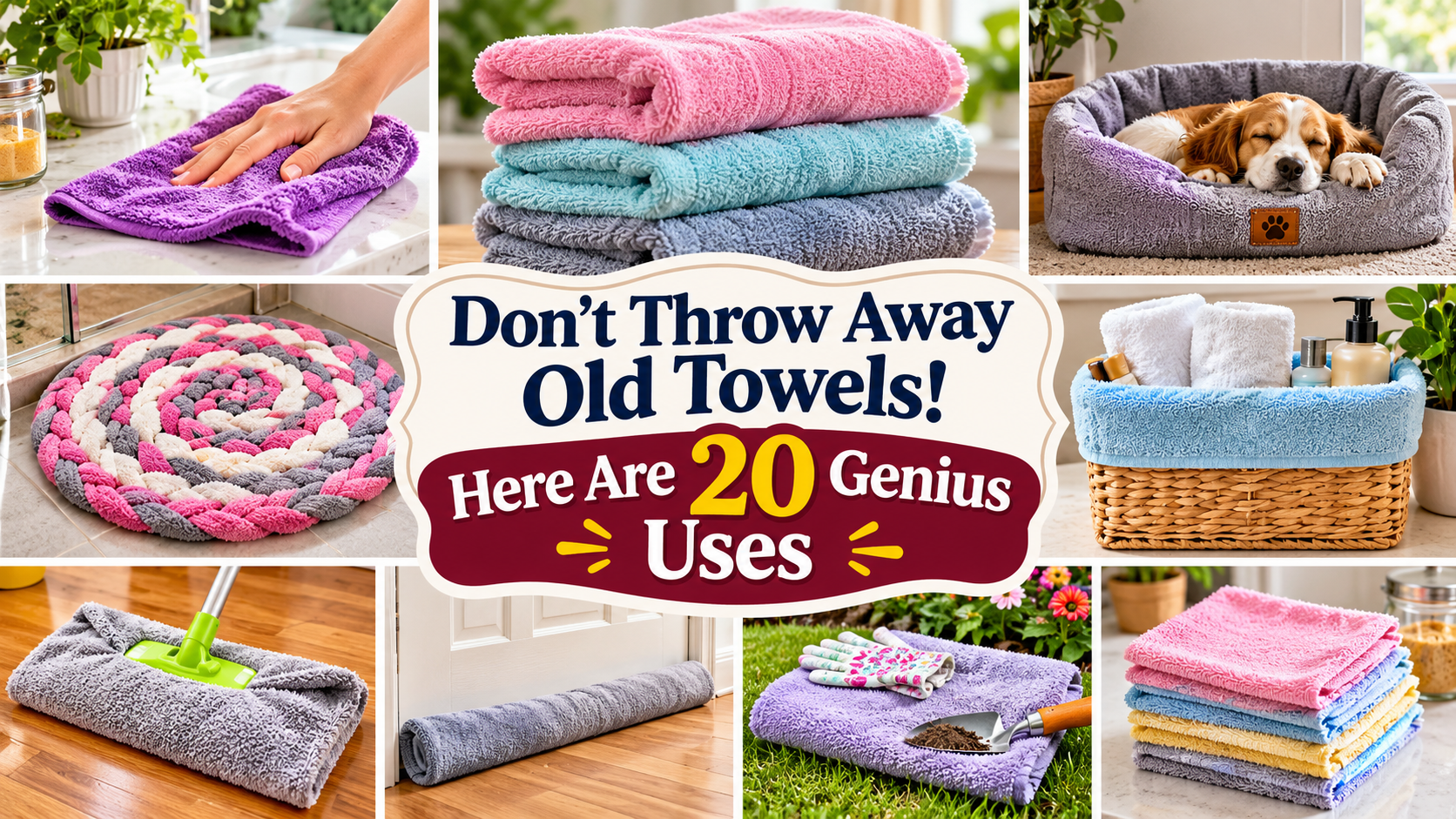
Don’t Throw Away Old Towels! Here Are 20 Genius Ways to Reuse Them
Have a pile of old towels sitting in your cupboard? Before you throw them away, think again! Those faded, worn-out, or slightly rough towels can still be incredibly useful around your home.
From cleaning hacks and clever storage solutions to DIY household accessories, there are countless ways to reuse old towels without spending extra money.
The best part? Most of these ideas require little more than scissors, basic sewing supplies, and a bit of creativity. Even if you don’t know how to sew, several of these projects are simple enough for beginners.
Here are 20 genius uses for old towels that can help you reduce household waste, organize your space, and save money.
Why You Should Reuse Old Towels Instead of Throwing Them Away
Old towels may lose their softness or develop faded colors over time, but their absorbent fabric can remain useful for years.
Repurposing old towels is a practical way to reduce waste while creating useful items for your home.
Benefits of reusing old towels include:
Saving money on cleaning supplies and household accessories.
Reducing the amount of fabric sent to landfills.
Creating reusable alternatives to disposable cleaning products.
Organizing your kitchen, bathroom, garage, and laundry areas.
Making simple homemade accessories without purchasing new materials.
Before beginning, wash and dry your old towels thoroughly. Avoid reusing towels that are heavily contaminated, moldy, or deteriorating.
20 Genius Ways to Reuse Old Towels Around Your Home
1. Turn Old Towels Into Reusable Cleaning Cloths
One of the easiest ways to reuse old towels is to transform them into cleaning cloths.
Simply cut a clean towel into smaller rectangular or square pieces. Use these cloths for wiping countertops, cleaning windowsills, washing bathroom surfaces, or dusting furniture.
Terry cloth is especially useful for absorbing spills and tackling everyday messes.
Keep separate cloths for kitchens and bathrooms to avoid cross-contamination.
2. Make a Soft DIY Bathroom Mat
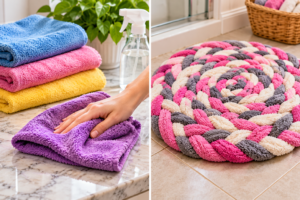
Instead of purchasing a new bath mat, consider transforming your old towels into a comfortable bathroom accessory.
Cut several towels into long strips and braid them together. Arrange the braid in a circular or oval shape and securely stitch the sections together.
For safer use, attach a suitable non-slip backing underneath the finished mat.
This project is ideal for towels that are still clean and absorbent but no longer look attractive enough to hang in the bathroom.
3. Create Reusable Kitchen Dishcloths
Kitchen dishcloths need frequent washing and replacement. Fortunately, old cotton towels can be cut into smaller, reusable cloths.
Trim them into convenient sizes and sew around the edges to reduce fraying.
Use them to wipe countertops, clean sinks, or dry dishes.
Keep a small basket in your kitchen to store freshly washed dishcloths so they are always within easy reach.
4. Make a Comfortable Pet Bed
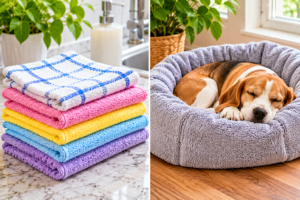
Old towels can make practical bedding for pets.
Fold several clean towels and place them inside a washable fabric cover. You can also stitch them together to create a soft cushion.
This inexpensive pet bed works well inside pet carriers or resting areas.
Choose sturdy fabric and avoid loose threads or decorations that pets might chew or swallow.
5. Protect Furniture While Moving
Moving furniture can cause scratches on wooden floors, delicate tabletops, and other household surfaces.
Old towels can provide temporary padding.
Wrap towels around furniture legs, corners, and delicate items before moving them.
Secure them so they do not slip, and avoid dragging heavy furniture directly across towels.
This simple trick can help reduce accidental damage during household rearrangements.
6. Make Reusable Mop Pads
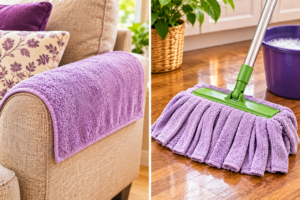
If you use a flat mop with removable cleaning pads, old towels may provide a reusable alternative.
Cut the towel to fit the mop head, leaving enough fabric to fold around the edges and attach securely.
Depending on your mop design, you can use stitching, elastic, or suitable fasteners.
After cleaning, remove the towel pad and wash it before the next use.
Check that the material will not interfere with the mop’s attachment mechanism.
7. Create a DIY Draft Stopper
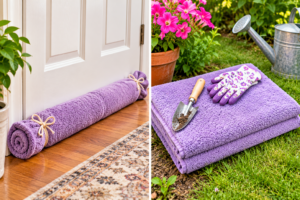
Cold air entering through small gaps beneath doors can make rooms uncomfortable.
An old towel can become a simple draft stopper.
Roll a clean towel tightly into a long tube and secure it with fabric ties or stitching.
Place it along the bottom of a closed door to help reduce airflow through the gap.
Keep it away from doors where it could obstruct emergency exits or create a tripping hazard.
8. Make a Soft Kneeling Pad for Gardening
Gardening can be uncomfortable when you spend long periods kneeling.
Fold an old towel several times to create a soft cushion for your knees.
For extra thickness, layer multiple towels and stitch them together.
This simple DIY kneeling pad is useful when planting flowers, pulling weeds, or tending to garden beds.
Store it in a dry location after use.
9. Use Old Towels to Dry Wet Shoes
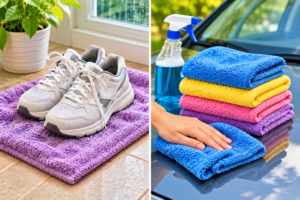
Wet shoes can leave puddles around your entryway.
Place an old towel on a waterproof tray beneath wet shoes to help absorb dripping water.
For damp interiors, you can also temporarily stuff a clean, dry towel into the shoes to absorb excess moisture.
Replace the towel when it becomes damp and allow the shoes to air-dry completely.
10. Create a Reusable Car Cleaning Kit
Keeping a few old towels in your car can make everyday cleaning easier.
Use separate towels for wiping dusty interior surfaces, absorbing accidental spills, and cleaning washable floor mats.
Store the towels in a small container inside your trunk.
Avoid using rough or dirty towels on automotive paint because trapped particles may scratch the finish.
11. Make a Homemade Hair-Drying Wrap
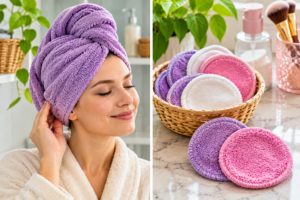
A lightweight old cotton towel can be repurposed into a simple hair wrap.
Cut the fabric into a suitable shape and finish the edges to prevent fraying.
After washing your hair, gently wrap it in the towel to absorb excess water.
Avoid twisting or pulling the hair tightly.
Soft, smooth towels are preferable because rough fabric can increase friction and contribute to frizz.
12. Create Reusable Makeup Removal Pads
Small sections of soft, clean towel fabric can become reusable makeup removal pads.
Cut the towel into small circles or squares and stitch around the edges.
Use them with your preferred makeup remover or gentle facial cleanser.
Wash them thoroughly after each use.
Choose only soft fabric suitable for delicate facial skin, as coarse towels may cause irritation.
13. Make a DIY Oven Mitt Alternative for Cool Surfaces
Old towels can be folded into useful kitchen cloths for handling cool or mildly warm cookware and wiping kitchen surfaces.
However, ordinary towel fabric should not be treated as a reliable substitute for a properly insulated oven mitt when handling hot pans.
Keep a folded towel nearby for drying hands, wiping worktops, and general kitchen tasks.
For hot cookware, always use purpose-made heat-resistant oven mitts.
14. Create a Soft Lining for Storage Baskets
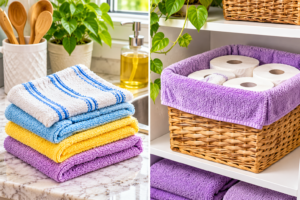
Storage baskets can sometimes have rough interiors that scratch delicate items.
Cut a clean towel to fit the bottom and sides of a basket.
Fold the fabric neatly or stitch it into a removable liner.
This works well for baskets holding hair accessories, cleaning supplies, shoes, or household essentials.
Choose a liner that can be removed and washed easily.
15. Make Reusable Cleaning Rags for the Garage
Garage cleaning often involves dust, dirt, and muddy equipment.
Old towels are ideal for creating dedicated garage cleaning rags.
Cut large towels into manageable pieces and store them in a labeled container.
Use them for ordinary dirt and water-based messes.
Do not place oil-soaked or solvent-soaked rags in ordinary laundry or piles, as some substances create fire hazards and require special disposal.
16. Create a Soft Cushion for Outdoor Seating
Have an uncomfortable garden chair or bench?
Fold clean old towels into thick layers and place them inside a washable cushion cover.
Stitch the layers together if needed to prevent them from shifting.
This makes a simple temporary cushion for outdoor seating.
Bring the cushion indoors after use so it stays dry and does not develop mildew.
17. Make a Reusable Floor Spill Cloth
Instead of reaching for disposable paper towels whenever something spills, keep several old towels specifically for floor cleaning.
Use them to absorb water around sinks, bathrooms, laundry rooms, or entryways.
Store the clean towels in a designated basket.
Wash and dry them after use, especially when cleaning spills that contain food or other contaminants.
18. Create a Travel Laundry Bag
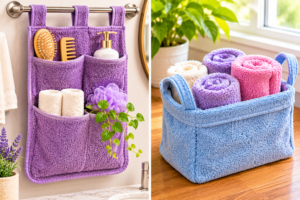
An old towel can be transformed into a simple bag for carrying used laundry while traveling.
Fold the towel in half, stitch the side seams, and leave the top open.
Add a drawstring or fabric tie to close it.
The finished bag provides a convenient place for collecting dry, lightly worn clothing.
Wash it between trips and avoid storing wet laundry inside for extended periods.
19. Make DIY Washcloths for Everyday Use
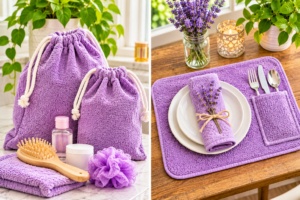
Large towels can provide several smaller washcloths.
Cut a clean, soft towel into appropriately sized squares and finish the edges with stitching.
These reusable washcloths are convenient for handwashing, general bathing, and household cleanup.
Choose clean towels without rough or damaged fibers for personal care.
20. Create a Dedicated Emergency Spill Kit
Accidental spills happen in every home.
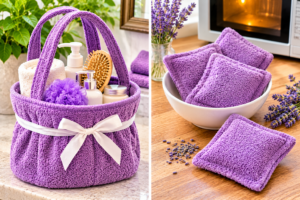
Instead of searching for cleaning supplies when something tips over, make a simple emergency spill kit using old towels.
Fold several towels and keep them inside a waterproof storage container.
Place the kit near your laundry room, utility closet, or another convenient location.
Use the towels to absorb ordinary water spills, then wash and dry them promptly.
This idea is especially helpful in households with children or pets.
How to Prepare Old Towels for DIY Projects
Before using old towels for household projects, a little preparation can make the results cleaner and more durable.
Wash and dry thoroughly: Remove everyday dirt and odors before cutting or sewing.
Inspect the fabric: Avoid towels with mold, heavy contamination, or badly weakened fibers.
Choose the right thickness: Thick towels are useful for cushioning and absorbent pads, while thinner towels work better for sewing projects.
Use sharp fabric scissors: Clean cuts make projects easier to assemble.
Finish loose edges: Hemming or stitching can prevent fabric from unraveling after repeated washing.
Keep projects separate by purpose: Towels used for bathroom cleaning should not be reused for food preparation or personal hygiene.
Common Mistakes to Avoid When Reusing Old Towels
Repurposing towels is simple, but a few mistakes can make DIY projects less useful.
Using rough towels on delicate surfaces may cause scratches.
Leaving damp towels folded for extended periods can encourage unpleasant odors and microbial growth.
Using absorbent towel fabric as a heat-resistant mitt can result in burns.
Reusing contaminated towels for personal hygiene or food-related tasks may introduce unnecessary hygiene risks.
The safest approach is to choose a suitable towel for each project and keep cleaning materials properly separated.
Frequently Asked Questions
Can old towels be recycled instead of thrown away?
Yes. Some textile recycling programs accept clean, dry towels. Requirements vary by collection provider, so check locally before donating or recycling.
What can I do with old towels that are too rough for bathing?
Rough towels can still be useful for garage cleaning, furniture padding, floor spills, and other household tasks where softness is not essential.
Can I make useful things from old towels without sewing?
Absolutely. Cleaning cloths, door draft stoppers, temporary kneeling pads, spill cloths, and protective furniture wraps can all be made with little or no sewing.
How should I store old towels for future projects?
Wash and dry them completely, fold them neatly, and store them in a clean, dry container. Label the container so you can easily find suitable fabric when needed.
Can old towels help save money?
Yes. Reusing towels for cleaning cloths, mop pads, cushions, and household organizers may reduce the need to purchase certain replacement products.
Conclusion
Old towels may no longer look perfect in your bathroom, but that doesn’t mean they have reached the end of their useful life.
From homemade cleaning cloths and reusable mop pads to pet beds, basket liners, and practical household organizers, these 20 genius ways to reuse old towels show how everyday items can become useful again.
Before buying new cleaning accessories or throwing away worn fabric, take another look at what you already have.
With a little creativity, you can reduce waste, save money, and make your home more organized—one old towel at a time.