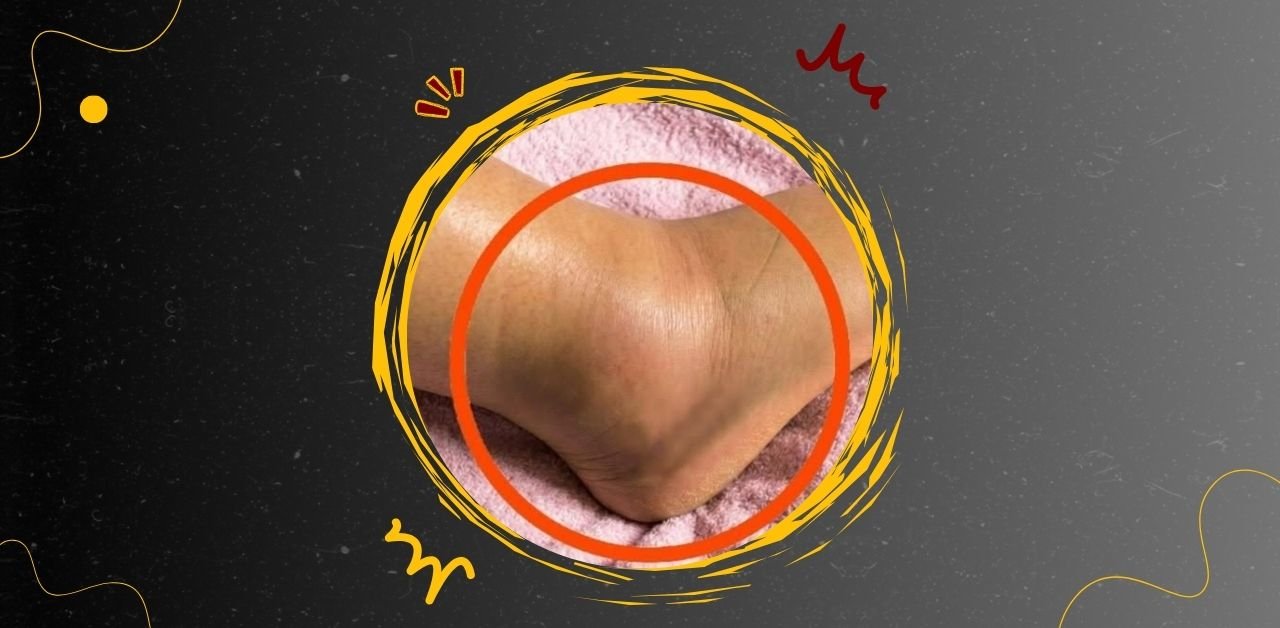
Swelling in the lower legs, feet, or ankles happens when fluid builds up in the tissues, often due to poor circulation, inflammation, or other medical conditions. While mild swelling after standing or walking for long periods can be normal, persistent or painful swelling deserves attention.
⚠️ Common Causes of Leg Swelling
1. Poor circulation
When blood doesn’t flow efficiently back to the heart, fluid can accumulate in the lower limbs. This is often linked to venous insufficiency, where vein valves weaken over time.
2. Heart problems
Swelling can be an early sign of congestive heart failure, where the heart struggles to pump blood effectively. Fluid retention often starts in the ankles and may spread upward.
3. Kidney or liver disease
Both organs regulate fluid balance. When they malfunction, excess fluid can leak into tissues, causing puffiness in the legs and face.
4. Injury or infection
Sprains, fractures, or skin infections like cellulitis can trigger localized swelling accompanied by redness and warmth.
5. Medications
Certain drugs — including steroids, blood pressure medications, and antidepressants — may cause fluid retention as a side effect.
6. Pregnancy
Hormonal changes and increased pressure on veins can lead to swollen feet and ankles, especially in the third trimester.
7. Lifestyle factors
Standing or sitting for long periods, high salt intake, or dehydration can all contribute to temporary swelling.
💡 What You Can Do
- Elevate your legs above heart level for 15–20 minutes daily.
- Reduce salt intake to minimize water retention.
- Stay active — walking improves circulation.
- Wear compression socks if recommended by a doctor.
- Monitor your symptoms — sudden or severe swelling needs medical evaluation.
🩺 When to See a Doctor
Seek medical attention if swelling is:
- Persistent or worsening
- Accompanied by shortness of breath or chest pain
- Painful, red, or warm to the touch
- Uneven (only one leg affected)
These could indicate serious conditions like deep vein thrombosis (DVT) or heart failure.
🌿 Preventive Care
Maintaining a healthy weight, staying hydrated, and managing chronic conditions like diabetes or hypertension can help prevent swelling. Regular checkups ensure early detection of circulatory or organ issues.
Swollen legs aren’t always harmless — they’re your body’s way of signaling imbalance. Paying attention early can help prevent complications and keep your circulation strong.