
Article
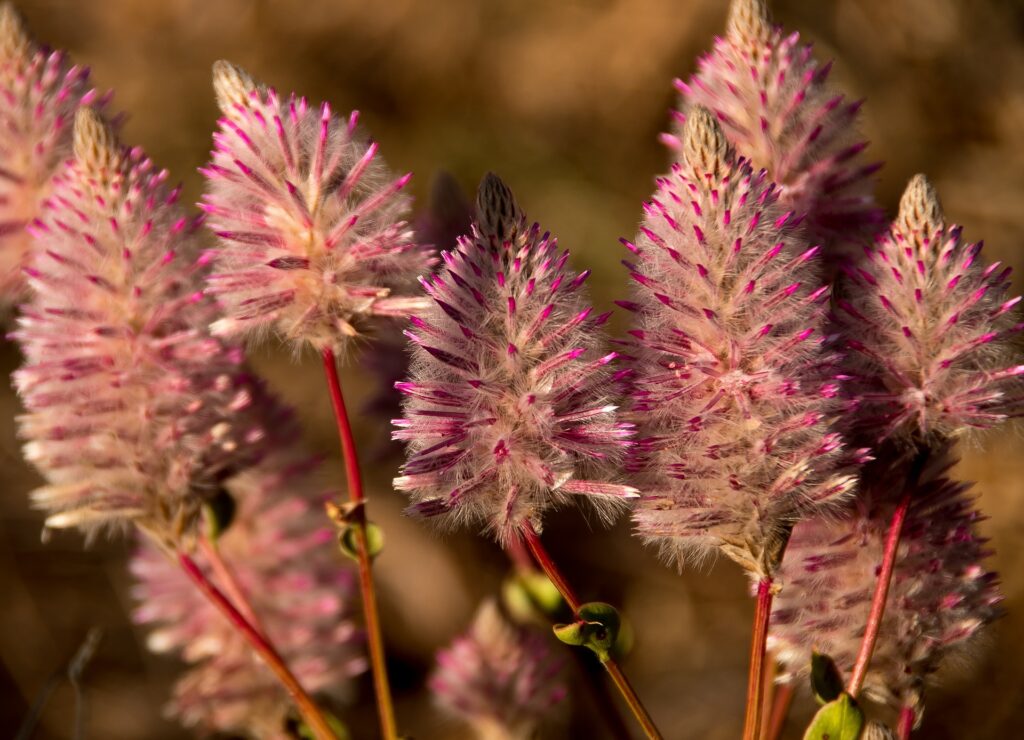
The rediscovery of Ptilotus senarius in Australia has captured the attention of scientists, conservationists, and nature enthusiasts alike. Long believed to be lost or possibly extinct, this rare native plant’s reappearance marks an important moment for Australian biodiversity and botanical research.
Ptilotus senarius belongs to the genus Ptilotus, a group of flowering plants native to Australia and known for their striking textures and resilience in harsh environments. Many species within this genus thrive in arid and semi-arid regions, adapting to extreme heat and limited water availability. However, Ptilotus senarius had not been officially recorded for decades, leading experts to fear it may have disappeared entirely.
The plant was rediscovered during field surveys conducted by botanists exploring remote regions of Australia. These surveys aim to document plant diversity, monitor ecosystem health, and identify species that may be under threat. The discovery of Ptilotus senarius was unexpected, highlighting how much remains unknown about Australia’s vast landscapes.
Rediscoveries like this are significant because they offer hope. When a species thought to be lost is found again, it provides opportunities for conservation planning and ecological study. Scientists can now examine the plant’s habitat, growth patterns, and population size to assess its long-term survival prospects.
One of the reasons Ptilotus senarius remained unseen for so long may be its limited distribution. Some plant species exist only in very specific environments, making them difficult to locate. Changes in land use, climate conditions, and human activity can also reduce visibility and population numbers, further complicating detection efforts.
The rediscovery also raises awareness about conservation challenges in Australia. The country is home to unique ecosystems, many of which face pressure from climate change, habitat loss, and invasive species. Finding Ptilotus senarius reinforces the importance of protecting these environments before species vanish completely.
Researchers emphasize that rediscovery does not guarantee safety. Immediate steps are often required to protect newly found populations. This may include habitat preservation, monitoring programs, and collaboration with local land managers to ensure minimal disturbance.
Beyond science, discoveries like this inspire public interest in nature. They remind people that even in a modern world, nature can still surprise us. Stories of rediscovered species often encourage greater appreciation for biodiversity and support for conservation initiatives.
In conclusion, the rediscovery of Ptilotus senarius in Australia is a powerful reminder of nature’s resilience. It highlights the importance of ongoing research, environmental protection, and the need to preserve ecosystems that harbor rare and vulnerable species.