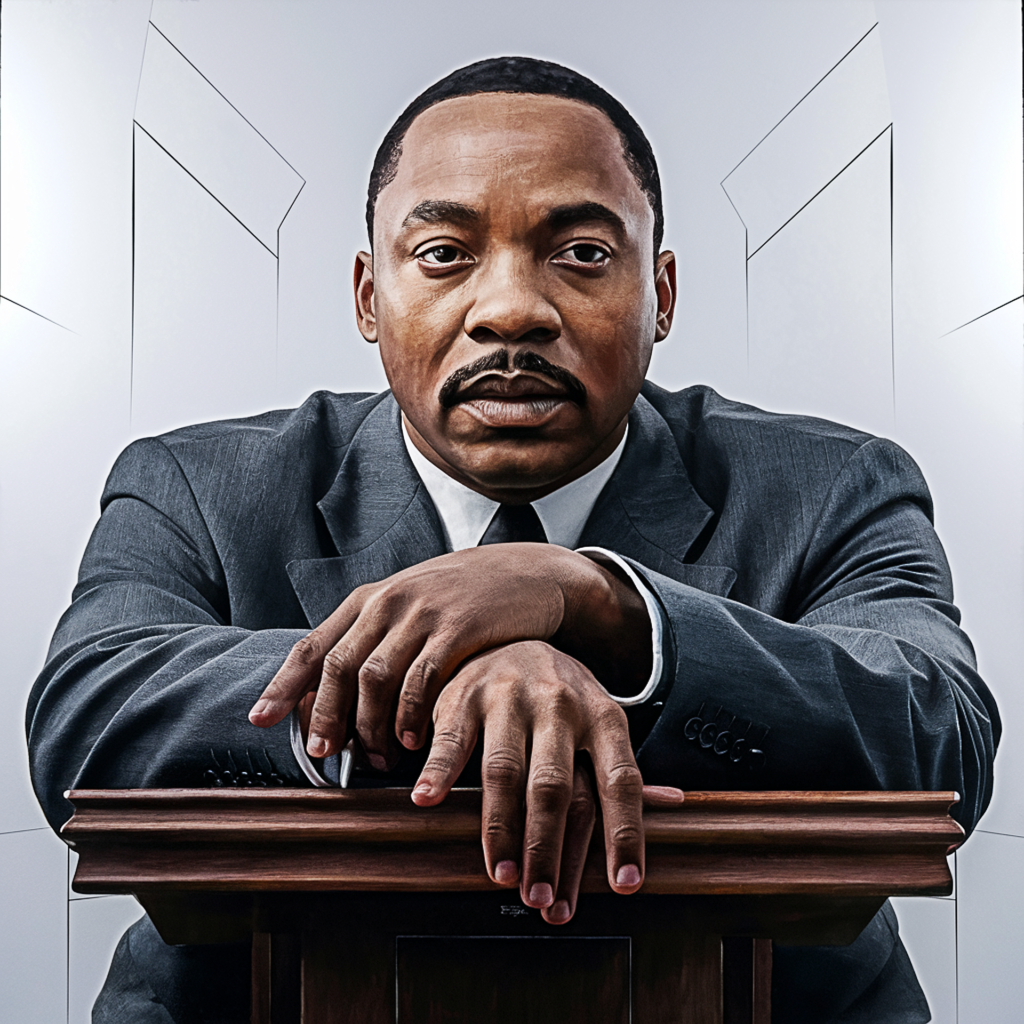

Martin Luther King Jr. – Why His Vision Still Matters Today
Martin Luther King Jr. is honored not only as a historical figure but as a symbol of moral leadership and social progress. His ideas continue to influence discussions about equality, justice, and human rights. Martin Luther King Jr. Day serves as a reminder of the values he championed and the work that remains unfinished.
The Purpose of Martin Luther King Jr. Day
Martin Luther King Jr. Day is observed to honor King’s contributions to civil rights and social justice. Unlike many holidays, it is intended as a day of reflection and service. Communities are encouraged to volunteer and engage in acts that promote unity and compassion.
This day highlights the importance of civic responsibility and reminds people that progress requires participation from everyone.
King’s Vision of Equality
At the heart of King’s vision was the belief that all people deserve equal opportunity and respect. He emphasized judging individuals by character rather than appearance. This message remains powerful in modern society, where issues of fairness and inclusion continue to shape public discourse.
King’s vision extended beyond racial equality. He spoke about economic justice, education, and global peace, emphasizing the interconnectedness of human rights.
Influence on Modern Society
Martin Luther King Jr.’s ideas continue to influence leaders, educators, and activists worldwide. His emphasis on peaceful protest has shaped movements seeking change through dialogue rather than conflict.
Schools, universities, and organizations use his teachings to promote ethical leadership and social responsibility. His legacy serves as a guide for addressing modern challenges with integrity.
Education and Youth Inspiration
One of the most important aspects of King’s legacy is its impact on young people. His life story demonstrates how dedication and courage can create meaningful change. Educational programs around Martin Luther King Jr. Day help students understand the importance of standing up for fairness.
By learning about King’s struggles and achievements, younger generations gain a deeper appreciation for democratic values and human rights.
Continuing the Work
While progress has been made, King’s vision remains unfinished. Inequality, injustice, and division still exist in many forms. Martin Luther King Jr.’s teachings encourage ongoing reflection and action.
Honoring his legacy means applying his principles in daily life—promoting understanding, fairness, and respect in communities.
Conclusion
Martin Luther King Jr.’s influence continues to shape society decades after his passing. His commitment to justice and nonviolence offers guidance in an ever-changing world. Remembering his legacy is not just about history, but about responsibility for the future.