
Article
Dr. Martin Luther King Jr. Day is a federal holiday in the United States that honors the life, work, and legacy of Dr. Martin Luther King Jr., one of the most influential leaders in American history. Observed annually on the third Monday of January, the holiday serves as a time for reflection, education, and service.
Dr. Martin Luther King Jr. was a central figure in the Civil Rights Movement, advocating for racial equality through peaceful protest and nonviolent resistance. His leadership helped dismantle segregation laws and advance civil rights for millions of Americans. The holiday commemorates his commitment to justice, equality, and human dignity.
The idea of honoring Dr. King with a national holiday began shortly after his assassination in 1968. However, it took years of advocacy and public support before the holiday was officially recognized. In 1983, the U.S. government established Martin Luther King Jr. Day as a federal holiday, and it was first observed in 1986.
One of the unique aspects of Dr. Martin Luther King Jr. Day is its focus on service. Often referred to as a “Day On, Not a Day Off,” the holiday encourages people to volunteer in their communities. This emphasis reflects Dr. King’s belief that individuals have a responsibility to serve others and contribute to positive social change.
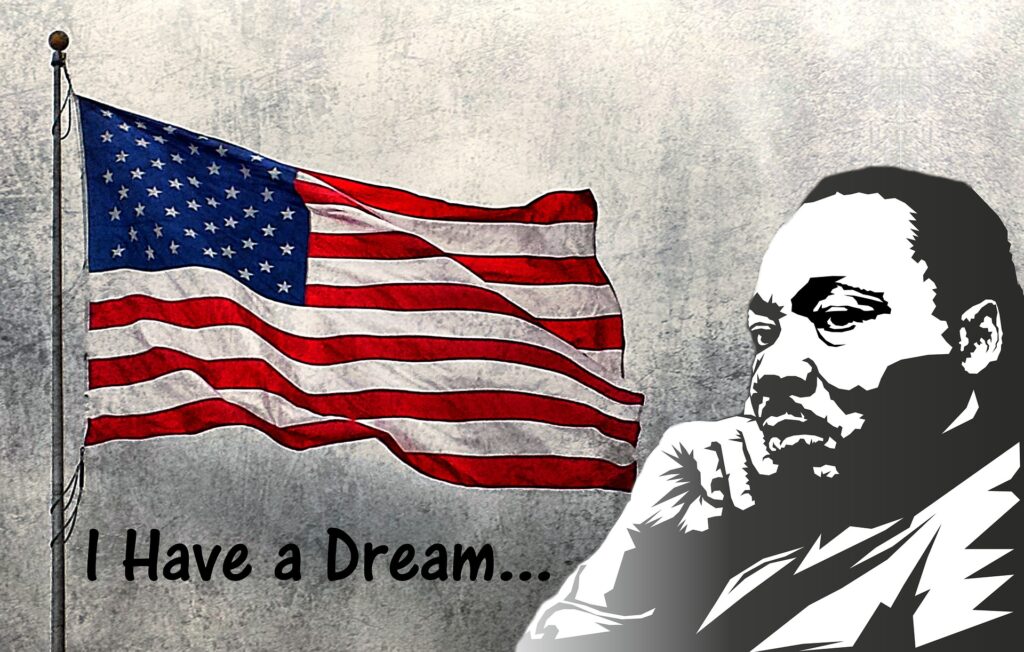
Educational institutions use the day to teach students about civil rights history and the importance of equality. Lessons often focus on Dr. King’s speeches, including his iconic “I Have a Dream” address, which continues to inspire people around the world. These teachings help ensure that younger generations understand the struggles and progress of the civil rights movement.
Across the country, communities mark the holiday with marches, speeches, cultural events, and public discussions. These gatherings celebrate progress while also acknowledging ongoing challenges related to racial and social justice. The holiday provides a space for dialogue and collective reflection.
Dr. Martin Luther King Jr. Day is not only a remembrance of the past but also a call to action for the future. Issues such as equality, fairness, and justice remain relevant, making Dr. King’s message as powerful today as it was during his lifetime.
In conclusion, Dr. Martin Luther King Jr. Day stands as a reminder of the impact one individual can have on history. By honoring Dr. King’s legacy, the holiday encourages unity, service, and continued commitment to the principles of equality and peace.