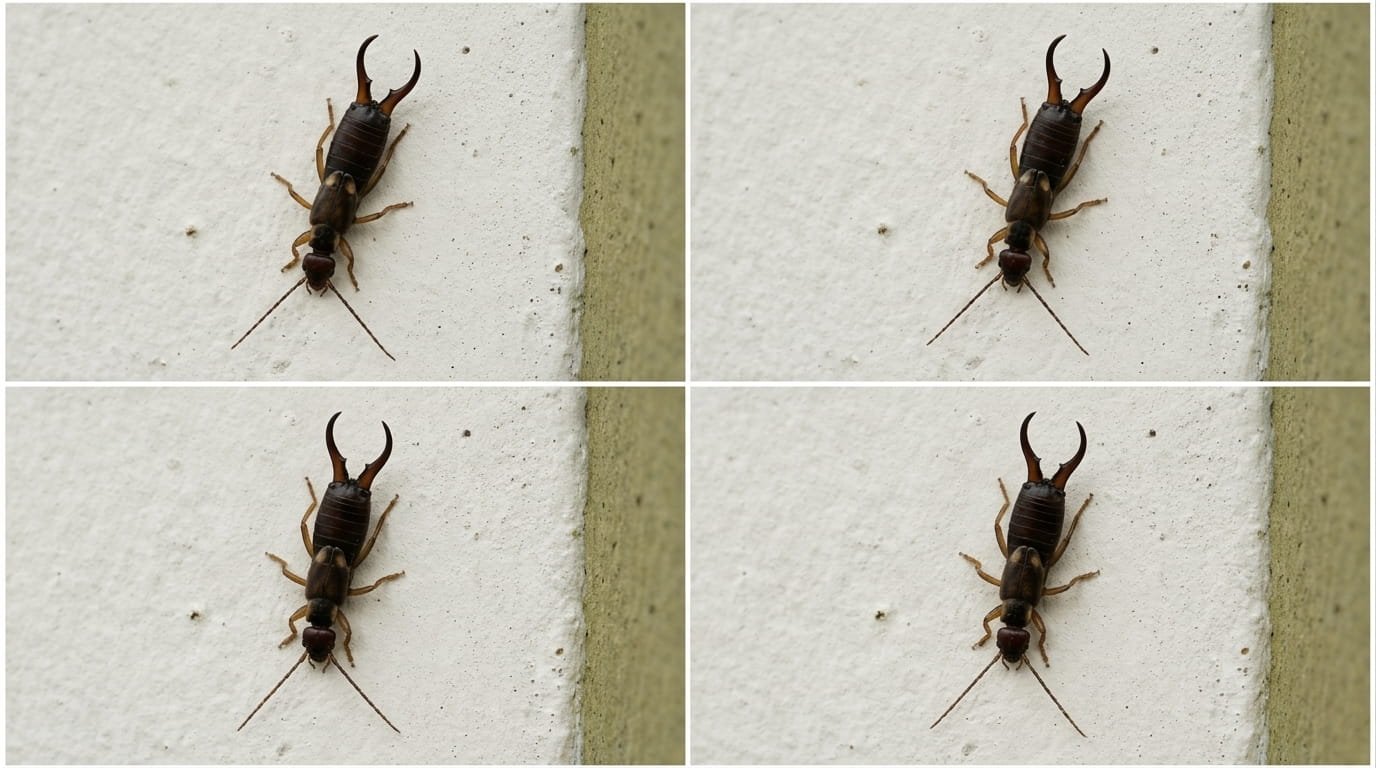
Discovering a small, dark insect with pincers on its tail crawling along your wall can be unsettling. This creature is an earwig, scientifically known as Dermaptera. Despite its intimidating appearance, it’s not dangerous to humans — but its presence inside your home can reveal important clues about your environment. Understanding what earwigs are, why they appear, and how to manage them can help you maintain a cleaner, healthier living space.
What Are Earwigs?
Earwigs are nocturnal insects recognized by their forceps‑like pincers at the end of their abdomen. These pincers, called cerci, are used for defense and mating rituals, not for attacking people. Adult earwigs measure about 1–2 centimeters long, with a reddish‑brown body and short wings folded beneath their hard outer shell. Although they can fly, they rarely do.
They thrive in moist, dark environments — gardens, basements, bathrooms, and under mulch or stones. Outdoors, they play a beneficial role by eating decaying plant matter and small pests. Indoors, however, they signal an imbalance in humidity or cleanliness.
Why Finding Earwigs Indoors Is a Warning
Spotting earwigs inside your home doesn’t mean an infestation yet, but it’s a warning sign that your living space may be attracting unwanted moisture or organic debris. Here’s what their presence often indicates:
- Excess Humidity: Earwigs love dampness. If you find them in bathrooms, laundry rooms, or basements, it suggests high humidity levels or poor ventilation. Moisture buildup from leaks, condensation, or wet towels creates the perfect habitat.
- Organic Debris or Rotting Material: They feed on decaying leaves, mold, and fungi. If earwigs appear near windowsills or door frames, it may mean rotting wood or plant matter nearby.
- Cracks and Entry Points: Earwigs enter through tiny gaps in foundations, vents, or under doors. Their presence signals that your home’s sealant or insulation may need repair.
- Outdoor Overgrowth: Dense vegetation close to walls or untrimmed shrubs can harbor earwigs. When outdoor conditions become too wet or cold, they migrate indoors seeking shelter.
- Seasonal Shifts: During monsoon or rainy seasons, earwigs often move inside to escape flooding soil. Their appearance can be a seasonal alert to check drainage and waterproofing.
Immediate Actions to Take
When you spot an earwig, resist panic. Instead, treat it as a diagnostic clue. Follow these steps:
- Inspect for Moisture: Check under sinks, behind toilets, and around windows for leaks or damp spots.
- Clean Thoroughly: Remove clutter, wipe surfaces, and vacuum corners where organic dust accumulates.
- Seal Entry Points: Use silicone caulk around doors, windows, and baseboards.
- Adjust Humidity: Run a dehumidifier or improve airflow with fans.
- Outdoor Maintenance: Trim plants, clear leaf piles, and keep mulch at least 15 cm away from walls.
These simple actions often stop earwigs from returning.
Natural Remedies and Prevention
If you prefer eco‑friendly control methods, several natural options can help:
- Bay Leaf Repellent: Earwigs dislike the scent of bay leaves. Placing a few near entry points can deter them.
- Diatomaceous Earth: Sprinkle this fine powder along cracks; it dehydrates insects harmlessly.
- Essential Oils: Mix peppermint or eucalyptus oil with water and spray around damp areas.
- Light Traps: Earwigs are nocturnal and drawn to light. A small lamp over a bowl of soapy water can capture them overnight.
Consistent prevention is more effective than extermination — once your home’s humidity and cleanliness are balanced, earwigs rarely return.
Are Earwigs Dangerous?
Despite myths that earwigs crawl into ears (the name comes from old folklore), they do not harm humans. They don’t bite, sting, or spread disease. Their pincers may pinch lightly if handled, but it’s harmless. The real concern lies in what their presence reveals — excess moisture and organic buildup, which can also attract mold, silverfish, or termites.
Long‑Term Home Health Implications
Ignoring earwigs can lead to broader issues. Persistent dampness encourages fungal growth, weakens wood, and attracts other pests. Over time, this can compromise air quality and structural integrity. Treating the root cause — humidity and decay — protects not only against insects but also against respiratory problems linked to mold exposure.
Psychological Aspect
Finding insects indoors often triggers discomfort or anxiety. Yet, reframing the experience helps: think of earwigs as nature’s inspectors. Their appearance signals that something in your home ecosystem needs attention. Addressing it promptly restores balance and peace of mind.
FAQ
Q: Do earwigs multiply quickly indoors? A: No. They rarely breed inside homes because they prefer soil for laying eggs.
Q: Can cleaning alone remove them? A: Cleaning helps, but sealing cracks and reducing humidity are equally vital.
Q: Should I use chemical sprays? A: Only if infestation is severe. Natural deterrents are usually sufficient.
Q: Are earwigs beneficial outdoors? A: Yes. They eat aphids and decaying matter, helping gardens stay healthy.
Q: What time of year are they most active? A: Warm, humid months — typically late spring through early autumn.
Final Thoughts
Seeing an earwig on your wall is not a cause for alarm but a call to action. It’s nature’s way of telling you that your home environment needs rebalancing — less moisture, cleaner corners, and tighter seals. By addressing these factors, you not only prevent earwigs but also create a healthier, more comfortable living space.
The next time you encounter one, remember: it’s not the insect itself that’s the problem — it’s the conditions that invited it in. Fix those, and you’ll reclaim your home’s harmony.