
Content
Tesla has long been known for redefining the electric vehicle industry, but recent discussions surrounding the company suggest that an even bigger transformation could be underway. According to growing speculation fueled by comments from Tesla CEO Elon Musk and industry observers, the company may be preparing to phase out its flagship Model S and Model X vehicles to repurpose production lines for its humanoid robot project, Optimus.
While Tesla has not issued a formal announcement confirming the end of Model S and Model X production, Musk has increasingly emphasized the company’s future beyond electric cars. From artificial intelligence to robotics, Tesla’s long-term vision appears to be expanding rapidly—and Optimus could be at the center of that shift.
The Changing Role of Model S and Model X
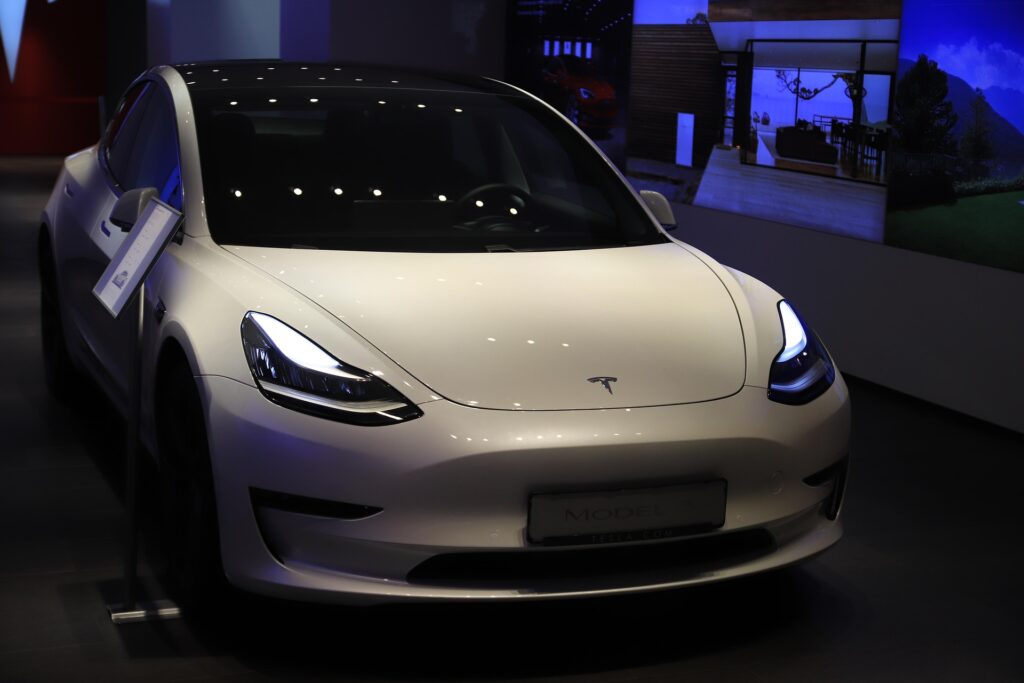
The Model S and Model X were once Tesla’s crown jewels. They demonstrated that electric vehicles could be fast, luxurious, and technologically advanced. However, in recent years, these models have accounted for a smaller share of Tesla’s total deliveries compared to the more affordable Model 3 and Model Y.
Industry analysts point out that production volumes for the Model S and X have remained relatively limited, making them less critical to Tesla’s overall revenue strategy. As Tesla focuses on scalability and automation, maintaining low-volume luxury vehicles may no longer align with the company’s broader objectives.
Fremont Factory and a Possible Production Shift
Tesla’s Fremont factory in California has historically produced the Model S, Model X, Model 3, and Model Y. Reports now suggest that Tesla may be evaluating how to better utilize this facility as it prepares for its next technological leap.
Optimus, Tesla’s humanoid robot, has been showcased as a general-purpose AI-powered machine capable of performing repetitive and dangerous tasks. Musk has repeatedly stated that Optimus could eventually become more valuable than Tesla’s car business. Converting parts of Fremont’s production lines for robot manufacturing would signal a major pivot toward that future.
Why Optimus Matters More to Tesla’s Long-Term Vision
Optimus represents Tesla’s ambitions beyond transportation. Powered by the same AI systems used in Tesla’s Full Self-Driving technology, the robot is designed to learn, adapt, and operate in real-world environments.
Elon Musk has suggested that humanoid robots could address global labor shortages and significantly reduce operational costs across multiple industries. If Tesla succeeds, Optimus could open entirely new revenue streams, ranging from manufacturing and logistics to healthcare and home assistance.
From a business standpoint, robots also offer higher scalability potential compared to vehicles, which face regulatory, supply chain, and pricing challenges.
Market Reaction and Industry Speculation
The possibility of Tesla moving away from legacy models has sparked mixed reactions among investors and fans. Some view the Model S and X as iconic vehicles that helped build Tesla’s reputation, while others believe that innovation requires difficult decisions.
Automotive experts note that many legacy automakers regularly discontinue models to focus on future growth areas. For Tesla, transitioning resources toward AI and robotics could be a logical evolution rather than a retreat from electric vehicles.
What This Could Mean for Tesla Owners and Buyers
If Tesla eventually reduces or ends production of the Model S and X, existing owners would likely continue receiving software updates and service support, as Tesla has done with previous product changes. Meanwhile, collectors and enthusiasts may see increased interest in these models as limited-production vehicles.
For potential buyers, Tesla’s focus will likely remain on the Model 3, Model Y, Cybertruck, and future next-generation platforms designed for mass adoption.
A Glimpse Into Tesla’s Next Chapter
Tesla’s journey has never been confined to cars alone. Energy storage, solar technology, artificial intelligence, and now robotics all play a role in the company’s evolving identity. Whether or not Model S and X production officially comes to an end, the message from Tesla’s leadership is clear: the future is autonomous, intelligent, and increasingly robotic.
As Optimus continues to develop, Tesla may be positioning itself not just as an automaker, but as one of the most influential AI and robotics companies in the world.